


| Kingdom | Phylum | Class | Order | Family |
|---|---|---|---|---|
| ANIMALIA | CHORDATA | AVES | COLUMBIFORMES | COLUMBIDAE |
| Scientific Name: | Columba versicolor | |||
| Species Authority: | Kittlitz, 1832 | |||
Common Name/s:
|
||||
| Red List Category & Criteria: | Extinct ver 3.1 | |||||||||||||||
| Year Published: | 2012 | |||||||||||||||
| Assessor/s: | BirdLife International | |||||||||||||||
| Reviewer/s: | Butchart, S. & Symes, A. | |||||||||||||||
| Contributor/s: | ||||||||||||||||
|
Justification: This species was found in Japan's Ogasawara Islands, but it has not been recorded since 1889 and is now Extinct. Habitat clearance is likely to have been the major factor driving its extinction. |
||||||||||||||||
| History: |
|
|||||||||||||||
| Range Description: | Columba versicolor was endemic to Nakondo Shima and Peel Island (Chichi-jima) in the Bonin Islands (Ogasawara-shoto), Japan (Goodwin 1967). It is known from four specimens, in Frankfurt, Leningrad and Tring (Brazil 1991) and was last recorded in 1889 (Stattersfield et al. 1998). |
| Countries: | Regionally extinct: Japan |
| Range Map: | Click here to open the map viewer and explore range. |
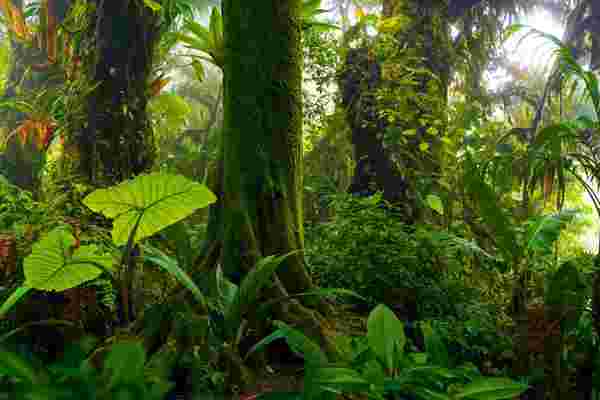
| Habitat and Ecology: | It inhabited the lush forested interior of the small islands in its range. |
| Systems: | Terrestrial |
| Major Threat(s): | Its extinction presumably resulted from clearance of the islands' subtropical evergreen forest, and from predation by introduced cats and rats (Stattersfield et al. 1998). |
| Citation: | BirdLife International 2012. Columba versicolor. In: IUCN 2012. IUCN Red List of Threatened Species. Version 2012.2. <www.iucnredlist.org>. Downloaded on 24 May 2013. |
| Disclaimer: | To make use of this information, please check the <Terms of Use>. |
| Feedback: | If you see any errors or have any questions or suggestions on what is shown on this page, please fill in the feedback form so that we can correct or extend the information provided |